The modern world has libraries filled with texts attempting to explain the answer to my title question. You will get various answers depending on who you ask. But how did ancient peoples determine who or what to worship? Who deserved their gratitude, praise, and sacrifices?
Since I returned from México and Perú, this is the question that’s been on my mind. (If you haven’t read about my adventures in these amazing countries, click on the country names and you can read those posts.) Learning about the Mayan and Incan religious systems was fascinating. They shared many attributes including worship of the sun, though the Inca weren’t as into human sacrifice.
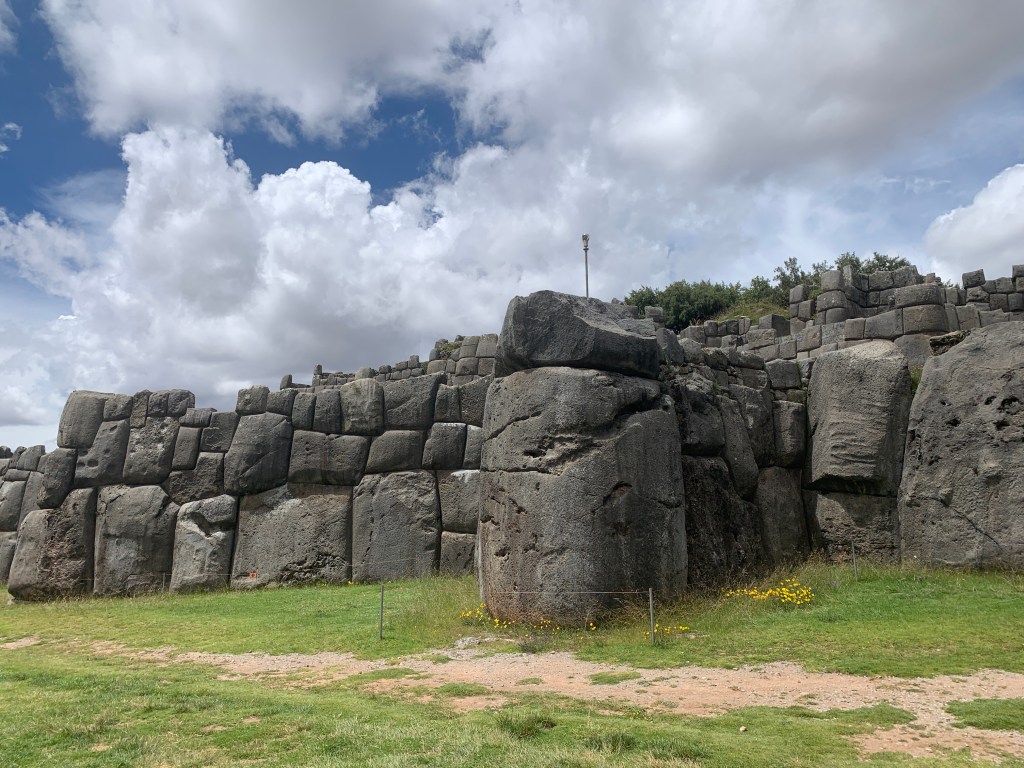
Both societies built architectural marvels in honor of their gods. They were conquerors and advanced in many areas of science and math. These were intelligent people – observant people. They related their lives to the cycles of nature they could observe. The paths of the brightest celestial objects, the sun and moon, were used as building orientation guides. Special days such as solstices and equinoxes were observed. The heavens were their calendar and aided their survival.

The Bible says in Romans 1:20 that God’s creation shows humankind who He is and we have no excuse not to know Him. I’m including several translations of this verse to compare, but in essence they’re all saying the same thing: All people have had the opportunity to know and worship the One true God, Creator and King.

But God’s angry displeasure erupts as acts of human mistrust and wrongdoing and lying accumulate, as people try to put a shroud over truth. But the basic reality of God is plain enough. Open your eyes and there it is! By taking a long and thoughtful look at what God has created, people have always been able to see what their eyes as such can’t see: eternal power, for instance, and the mystery of his divine being. So nobody has a good excuse. What happened was this: People knew God perfectly well, but when they didn’t treat him like God, refusing to worship him, they trivialized themselves into silliness and confusion so that there was neither sense nor direction left in their lives. They pretended to know it all, but were illiterate regarding life. They traded the glory of God who holds the whole world in his hands for cheap figurines you can buy at any roadside stand.
The Message
For since the creation of the world His invisible attributes, that is, His eternal power and divine nature, have been clearly perceived, being understood by what has been made, so that they are without excuse.
NASB
Many native peoples, including those in North America, worshiped elements of nature. Rain, thunder, wind, storms, various animals. Does this mean they were worshiping idols, or rather were they using what they knew of the world to access God through His creation? I can’t answer this. Perhaps others have a better understanding of it than I – certainly so – but I can’t help but wonder if many didn’t find God in their praise and thankful posture?
Since God says in 2 Peter 3:9 that He wishes none should perish, wouldn’t He make provision for those who lived prior to His written word to know Him? I can’t help but conclude that nature was that way. And one wish I have is that when I reach Heaven, I can connect with those who are there because they found God through His creation and believed. What a lively conversation we will have!
I’d love to hear your ideas on this topic. Clearly, I’m not an archeologist, anthropologist, or any other kind of “-gist” but I felt the presence of God in the places I’ve visited, experienced awe at the accomplishments of those who lived in my past. I see God in nature today, so why couldn’t they have experienced the same thing?
I’d love for everyone who reads this blog to subscribe to my monthly newsletter for encouragement and updates on my writing and book recommendations. Monthly book giveaways to subscribers are another perk of becoming an Insider! Subscribe here.
 Rebecca Reed, Author